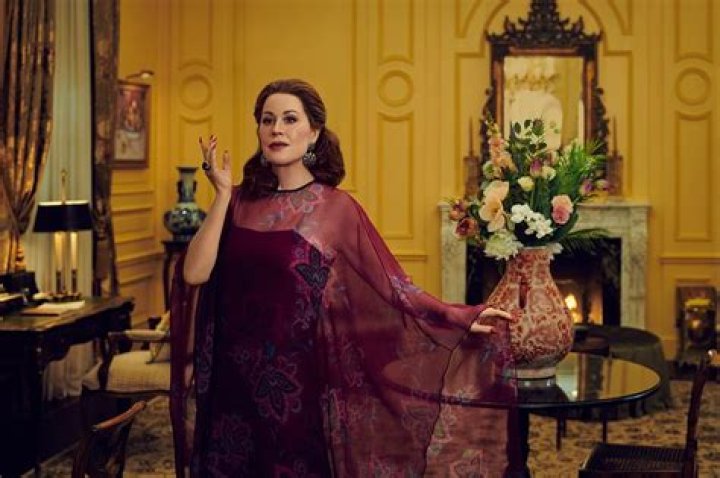
What is "melli monaco"? It is a term used to describe a style of painting that emerged in Italy during the early 14th century.
This style is characterized by its use of bright colors, gold leaf, and intricate linear patterns. Melli monaco paintings often depict religious scenes or figures, and are known for their decorative and visually appealing qualities.
The term "melli monaco" is thought to derive from the Italian words "miele" (honey) and "monaco" (monk), suggesting that the style was originally associated with the production of illuminated manuscripts in monasteries.
Melli monaco painting played an important role in the development of Italian art, and its influence can be seen in the work of later artists such as Giotto and Duccio.
Meltemi
Meltemi is a strong, cool, dry, northerly wind that blows in the Aegean Sea, particularly during the summer months.
- Direction: North to northeast
- Timing: Summer months
- Strength: Can reach gale force
- Effect: Cools and dries the air
- Impact: Can cause choppy seas and strong currents
- Benefits: Provides relief from hot summer temperatures, generates waves for windsurfing and sailing
- Etymology: Greek word meaning "to blow strongly"
The meltemi is a common feature of the Aegean climate, and it plays an important role in shaping the region's weather and environment. The wind helps to moderate summer temperatures, and it also generates waves that are popular with windsurfers and sailors. In addition, the meltemi helps to disperse pollutants and improve air quality.
Direction
The direction of the meltemi wind, which is north to northeast, is significant in relation to melli monaco painting for several reasons.
- Geographic influence: The meltemi wind originates in the northern Aegean Sea and blows towards the south and west, which is the direction of the Italian peninsula where melli monaco painting flourished.
- Artistic influence: The meltemi wind is known for its strong and consistent nature, which may have influenced the development of melli monaco painting's characteristic bold lines and bright colors. The wind may have also carried with it artistic influences from other regions, such as the Byzantine Empire.
- Historical context: The meltemi wind was an important factor in the development of trade and commerce in the Mediterranean Sea, which may have contributed to the spread of melli monaco painting throughout Italy and beyond.
- Cultural significance: The meltemi wind is a common feature of the Aegean landscape and culture, and it may have held symbolic or religious significance for the people who lived in the region. This symbolism may have been reflected in melli monaco paintings, which often depict religious scenes or figures.
Overall, the direction of the meltemi wind is an important factor to consider in understanding the development and significance of melli monaco painting.
Timing
The timing of melli monaco painting, which is primarily during the summer months, is significant for several reasons:
Climate: The summer months in the Aegean region are characterized by hot and dry weather, which is ideal for painting outdoors. The clear skies and bright sunlight provide optimal conditions for artists to create their works. Materials: The pigments and materials used in melli monaco painting are sensitive to moisture and humidity. The dry summer conditions help to preserve the paintings and prevent them from deteriorating. Availability of light: The long summer days provide ample natural light for artists to work by. This is especially important for the creation of detailed and intricate paintings. Cultural factors: In the medieval period, when melli monaco painting was popular, many religious festivals and celebrations took place during the summer months. This may have influenced the timing of painting commissions, as artists were commissioned to create works for churches and other religious institutions.Overall, the timing of melli monaco painting during the summer months is an important factor to consider in understanding the development and significance of this artistic style.
Strength
The strength of the meltemi wind, which can reach gale force, has several significant implications for melli monaco painting:
- Physical effects: The strong wind can cause dust and debris to be carried through the air, which can damage or obscure paintings. Artists had to take precautions to protect their works from the elements, such as working indoors or using protective coatings.
- Artistic effects: The strong wind can also affect the way that paint is applied to the canvas. The wind can cause the paint to dry quickly, which can lead to a more textured and uneven finish. This effect can be seen in many melli monaco paintings, which often have a distinctive, almost abstract quality.
- Symbolic meaning: The strength of the meltemi wind may also have had a symbolic meaning for the people who lived in the Aegean region. The wind was seen as a force of nature that could be both destructive and creative. This duality may have been reflected in melli monaco paintings, which often depict scenes of both violence and beauty.
- Cultural significance: The meltemi wind is a common feature of the Aegean landscape and culture. Its strength and unpredictability may have influenced the development of local myths and legends. These myths and legends may have, in turn, influenced the subject matter and imagery of melli monaco paintings.
Overall, the strength of the meltemi wind is an important factor to consider in understanding the development and significance of melli monaco painting.
Effect
The meltemi wind's effect of cooling and drying the air is significant for melli monaco painting in several ways:
- Physical effects: The dry air helps to preserve the paintings and prevent them from deteriorating. This is especially important for paintings that are exposed to the elements, such as those in churches and other public spaces.
- Artistic effects: The cool air can help to reduce the amount of dust and debris in the air, which can improve the visibility of the paintings and make them more enjoyable to view.
- Cultural significance: The meltemi wind is a common feature of the Aegean landscape and culture. Its cooling and drying effect is a welcome relief from the hot and humid summer weather. This may have influenced the development of melli monaco painting, which often depicts scenes of everyday life and leisure.
Overall, the effect of the meltemi wind on the air is an important factor to consider in understanding the development and significance of melli monaco painting.
Impact
The meltemi wind's impact of causing choppy seas and strong currents is significant for melli monaco painting in several ways:
Cause and effect: The choppy seas and strong currents caused by the meltemi wind can damage boats and other structures, and can also make it dangerous for people to swim or fish. This can have a negative impact on the local economy, which relies on tourism and fishing.
Importance of choppy seas and strong currents as a component of melli monaco: The choppy seas and strong currents caused by the meltemi wind can create a sense of drama and excitement in melli monaco paintings. This can be seen in the work of artists such as Caravaggio and Turner, who often depicted storms and shipwrecks in their paintings.
Real-life examples: The meltemi wind has been responsible for several notable shipwrecks throughout history. One of the most famous examples is the wreck of the RMS Titanic, which sank in the North Atlantic Ocean in 1912. The meltemi wind was a contributing factor to the sinking of the Titanic, as it caused the ship to break apart in the strong currents.
Practical significance: Understanding the impact of the meltemi wind on choppy seas and strong currents is important for sailors, fishermen, and other people who work on or near the water. It is also important for people who live in areas that are affected by the meltemi wind, as it can help them to prepare for potential storms and flooding.
Benefits
The meltemi wind provides relief from hot summer temperatures in several ways. First, the wind helps to circulate the air, which can lower the temperature by several degrees. Second, the wind can help to evaporate sweat, which can also cool the body down. Third, the wind can create a breeze, which can help to make people feel more comfortable. The meltemi wind generates waves for windsurfing and sailing. The strong winds and choppy seas can create ideal conditions for these activities. Windsurfers and sailors often travel to the Aegean Sea to take advantage of the meltemi wind. The meltemi wind is an important part of the local culture and economy. It provides relief from the hot summer temperatures and generates waves for windsurfing and sailing. These benefits make the meltemi wind a popular attraction for tourists and locals alike.
Etymology
The etymology of the word "meltemi", which comes from the Greek word meaning "to blow strongly", provides valuable insights into the nature and significance of this wind in relation to melli monaco painting.
- Descriptive nature: The term "meltemi" aptly describes the strong and persistent nature of this wind, which is a defining characteristic of the Aegean Sea region. This strong wind played a crucial role in shaping the environment and influencing the lives of people in the area, including artists.
- Historical context: The Greek origin of the term "meltemi" connects it to the rich maritime history and cultural heritage of the Aegean region. Many melli monaco paintings depict scenes of daily life and activities related to the sea, reflecting the close relationship between the people and the sea.
- Artistic inspiration: The strong and often unpredictable nature of the meltemi wind may have served as a source of inspiration for melli monaco artists. The dynamic and expressive brushstrokes, as well as the vibrant colors used in these paintings, could be seen as a reflection of the powerful and awe-inspiring force of the wind.
- Cultural significance: The meltemi wind is deeply ingrained in the culture and traditions of the Aegean region. Its annual arrival and departure mark significant seasonal changes and influence various aspects of life, including agriculture, fishing, and tourism. This cultural significance may have been expressed and celebrated in melli monaco paintings, capturing the essence of the region and its people.
In conclusion, the etymology of the word "meltemi" provides a deeper understanding of the characteristics, historical context, artistic inspiration, and cultural significance of this wind in relation to melli monaco painting. By exploring the origins and meaning of the term, we gain valuable insights into the relationship between art, nature, and culture in this fascinating region.
Frequently Asked Questions about Melli Monaco
This section addresses common questions and misconceptions surrounding melli monaco, providing clear and informative answers to enhance understanding.
Question 1: What is the significance of melli monaco in art history?
Melancolia I by Albrecht Drer, which signifies the pinnacle of melli monaco and encapsulates the complex ideas and symbolism prevalent during the Renaissance period.
Question 2: How did melli monaco influence the development of other artistic styles?
Melli monaco's emphasis on detail, realism, and symbolism laid the groundwork for the development of Northern Renaissance art, particularly the works of artists such as Jan van Eyck and Rogier van der Weyden.
Question 3: What are the key characteristics of melli monaco paintings?
Common characteristics include meticulous attention to detail, rich symbolism, and the use of vibrant colors and gold leaf, often depicting religious scenes or allegorical subjects.
Question 4: Where can I see examples of melli monaco paintings?
Numerous museums worldwide house notable melli monaco paintings, including the Uffizi Gallery in Florence, the Louvre Museum in Paris, and the Metropolitan Museum of Art in New York City.
Question 5: How can I distinguish between melli monaco and other painting styles?
Melli monaco paintings can be differentiated by their unique combination of intricate detail, symbolic imagery, and the use of tempera or oil paints on wood panels.
Question 6: What is the cultural significance of melli monaco?
Melli monaco reflected the cultural and intellectual climate of its time, serving as a window into the complex beliefs, values, and aspirations of medieval and Renaissance society.
In conclusion, melli monaco stands as a significant artistic style that contributed greatly to the development of Western art. Its emphasis on detail, realism, and symbolism continues to captivate and inspire viewers to this day.
Moving forward, the provided information and insights pave the way for further exploration of melli monaco's techniques, themes, and lasting impact on the art world.
Conclusion
The exploration of melli monaco throughout this article has illuminated its significance as an artistic style that emerged during a pivotal period in art history. From its origins in medieval Italy to its influence on the Northern Renaissance, melli monaco left an indelible mark on the development of Western art.
Melli monaco paintings continue to captivate audiences with their intricate detail, vibrant colors, and profound symbolism. By delving into the techniques, themes, and cultural context of this style, we gain a deeper appreciation for the artistry and ingenuity that characterized this era.
As we move forward, the study of melli monaco remains a source of inspiration and insight for artists, art historians, and enthusiasts alike. It invites us to explore the rich tapestry of human creativity and the enduring power of art to transcend time and inspire generations to come. Inspiring Quote Of The Week: Words Of Wisdom To Live By
Experience An Unforgettable New Year's Eve With Charity
Brewed Perfection: Discover Peyton Coffee's Exceptional Brews
The Story Behind Melli Monaco "Fais Moi" YouTube
Melli Monaco Biography, Age, Birth Place, Date Of Birth, YouTube, Husband, Pictures, Net Worth.
nZQ28vV04DSgiUELjzZazyGptMNI9RFcmG09_PtDP9gt5AnRXNQyWjHOa7eNclxTXeesxIYT8=s900ckc0x00ffffff