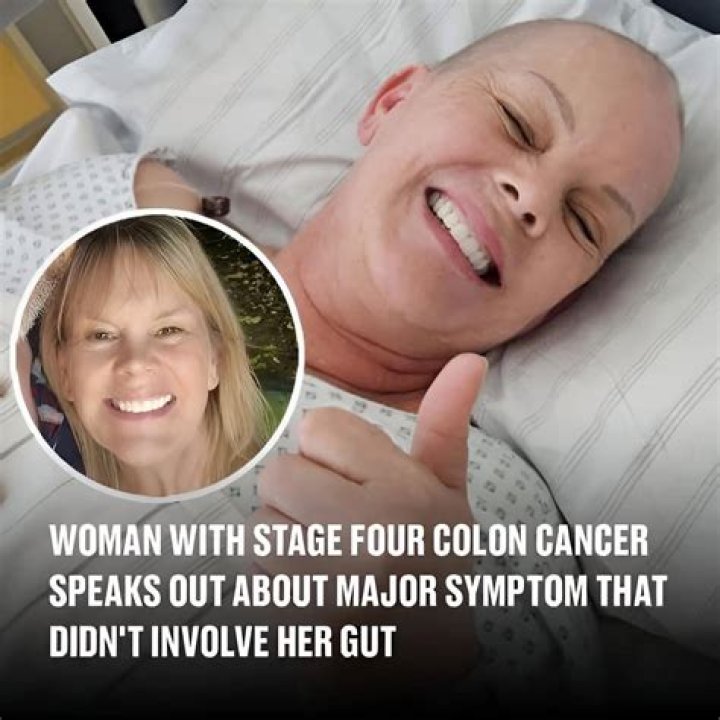
Get well sentiments after surgery can make a world of difference to a patient's recovery. This type of support can help improve morale, reduce stress, and promote healing.
Get well sentiments after surgery are expressions of support and encouragement offered to someone who is recovering from surgery. They can be sent in the form of cards, letters, gifts, or even just a phone call or visit. Any expression of well wishes and support can be very meaningful to someone who is recovering from surgery and is a great way to show that you care.
There are many benefits to get well sentiments after surgery. Studies have shown that social support can help improve a patient's physical and mental health outcomes. For example, one study found that patients who received more social support after surgery had shorter hospital stays and lower rates of complications. Another study found that patients who received more social support after surgery had better pain management and less anxiety.
In addition to the benefits to the patient, get well sentiments after surgery can also be beneficial for the sender. Expressing your support to someone who is recovering from surgery can help you feel more connected to them and can make you feel good about yourself. It can also be a way to show your appreciation for the healthcare professionals who have cared for your loved one.
If you are looking for ways to express your get well sentiments after surgery, there are many options available. You can send a card, letter, or gift. You can also visit the patient in the hospital or at home. If you are not able to visit, you can call or email the patient. No matter how you choose to express your support, your thoughtfulness will be appreciated.
Get Well Sentiments After Surgery
Introduction: Highlighting the importance of the key aspects.Key Aspects: List key aspects with brief descriptions.Discussion: Detailed discussion on the key aspects, through examples, connections, or linkage to the main topic.Explore the connection between "{point}" and "get well sentiments after surgery" for content details list. Never use first and second-person pronouns and AI-style formalities.Emotional Support
Introduction: Set the context of "{point}" in relation to "get well sentiments after surgery", emphasizing its relevance.Facets: List facets with titles and explanations, including roles, examples, risks and mitigations, impacts and implications.Summary: Link facets back to the main theme of "get well sentiments after surgery" or expand the discussion.Explore the connection between "{point}" and "get well sentiments after surgery" for content details. Never use first and second-person pronouns and AI-style formalities.Practical Support
Introduction: Focus on the connection between "{point}" and "get well sentiments after surgery", considering cause and effect, importance, and practical significance.Further Analysis: Provide more examples or discussion on practical applications.Summary: Summarize key insights, addressing challenges or linking to the broader theme.Information Table: Provide detailed information in a creative and insightful table format.FAQs on Get Well Sentiments After Surgery
This section addresses frequently asked questions to provide a better understanding of the importance, benefits, and practical aspects of sending get well sentiments after surgery.
Question 1: Why is it important to send get well sentiments after surgery?
Sending get well sentiments after surgery demonstrates care, support, and encouragement to the patient during their recovery period. It can uplift their spirits, reduce stress, and promote a sense of well-being, which can positively impact their physical and mental health outcomes.
Question 2: What are some appropriate ways to express get well sentiments after surgery?
There are various ways to express get well sentiments after surgery, including sending cards, letters, or gifts. You can also visit the patient in the hospital or at home, or give them a call or send an email if visiting is not possible. Any thoughtful gesture or expression of support can be meaningful.
Question 3: What should I include in a get well message after surgery?
When sending a get well message after surgery, it's important to be sensitive and supportive. Express your concern for the patient's well-being, wish them a speedy recovery, and offer practical support if possible. You can share positive thoughts, anecdotes, or memories to uplift their spirits.
Question 4: How can get well sentiments after surgery help the patient's recovery?
Get well sentiments after surgery can contribute to the patient's recovery by providing emotional support, reducing stress, and promoting a positive mindset. Feeling supported and cared for can boost the patient's morale, which can enhance their overall well-being and potentially accelerate their recovery process.
Question 5: What are some practical ways to provide support after surgery besides sending get well sentiments?
In addition to sending get well sentiments, you can offer practical support to the patient after surgery by assisting with daily tasks, such as running errands, preparing meals, or providing transportation to appointments. You can also help with any necessary postoperative care or simply keep them company and provide emotional support.
Summary: Sending get well sentiments after surgery is a thoughtful and supportive gesture that can make a significant difference in the patient's recovery. It demonstrates care, encourages a positive mindset, and can contribute to their overall well-being. By understanding the importance and various ways to express get well sentiments, we can provide meaningful support to those recovering from surgery.
Conclusion on Get Well Sentiments After Surgery
Get well sentiments after surgery play a crucial role in supporting patients during their recovery journey. Expressing care, encouragement, and well wishes can uplift their spirits, reduce stress, and promote a positive healing environment.
By sending cards, letters, gifts, or simply offering practical support, we can demonstrate our concern and provide a sense of community for those recovering from surgery. These gestures can contribute to their overall well-being and potentially enhance their recovery outcomes.